


News
Sea Empress disaster 20 years on

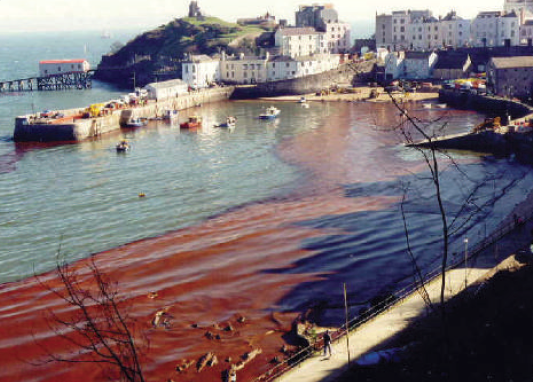
 IT WAS one of the biggest environmental disasters ever to hit UK shores and now 20 years on from the Sea Empress disaster RSPCA staff are looking back at the role they played in helping to save hundreds of seabirds and mammals.
Early on the evening of 15 February, 1996 the Sea Empress, a single hull oil tanker, hit rocks on its way into the Cleddau Estuary and the ship’s cargo of 130,000 tonnes of crude North Sea oil started to spill into the waters off Pembrokeshire.
The RSPCA launched a massive rescue operation in response to the disaster in an effort to save the thousands of oiled and dying seabirds that were so badly affected by the slick.
Scores of volunteers helped open and run a makeshift animal hospital – set up in an old industrial unit – where more than 7,000 dead or oiled birds were taken – while inspectors, drivers and wildlife centre staff experts worked around the clock to nurse, clean and feed as many of the birds back to health as they could.
“The rescue operation took a massive team effort,” said RSPCA chief inspector for the south west Wales inspectorate group, Romain de Kerckhove, who held the same position 20 years ago.

“It quickly became apparent that this incident was of a scale that needed national resources, and a roster was arranged that invited colleagues from all over England and Wales to become involved,” he said.
“Officers would attend, for a limited period, and would work extremely long days, responding to calls from the public, and patrolling beaches to search for victims of the disaster.
“They were accommodated locally, and would be replaced by other colleagues in order to keep the team fresh and strong. Some officers would actually sleep on camp beds at the temporary bird rescue holding/cleaning facility, in order to ensure that there were people on site overseeing the welfare of the birds 24/7.
“This was a rescue that involved teams from across the entire RSPCA, as well as countless volunteers who would work with us, and assist the RSPCA teams both at the cleaning and rehab centre, as well as on the beaches.

“It was hard work, but everyone enjoyed the atmosphere and being involved in such a worthwhile and much needed rescue operation.”
Richard Abbott, who is now an RSPCA chief inspector, was the officer on duty the night the Sea Empress ran aground. “I recall speaking to a Brecon RCC (Brecon Regional Control Centre) tasker who said they had received a call saying a tanker had run aground at Milford Haven and was leaking 30,000 gallons of oil.
I recall thinking, no chance, that’s never going to have happened, not these days with twin hulled tankers. I asked the tasker to ring the Coastguard to double check as I was driving and enroute to an emergency at the time, about 10.30pm ish.

“She rang me back about five minutes later and said to my astonishment that the Coastguard had confirmed the report. I pulled over and rang the chief inspector Romain de Kerckhove at home and started the response.
“I got back in about 1am that night and by 7am I had the call that I was needed to help set up the emergency response centre. A few hours later chief inspector Romain de Kerckhove arrived and took over.
“It was incredibly stressful for those three to four weeks, as we dealt with thousands birds and managed many rescue organisations. It was a steep learning curve.”
RSPCA inspector Rohan Barker attended the day after the incident with chief inspector Romain de Kerckhove.
“We spent two days putting together our response working with several organisations with very few birds coming in during the initial couple of days – but then the onslaught started.
“We worked 15 hour shifts collecting birds, setting up the cleaning station at a local industrial estate building provided by the council.
“Birds were collected by inspectors, animal collection officers and members of the public, brought to the station, initially cleaned and shipped off to RSPCA West Hatch Wildlife Centre by a fleet of vans.”
Dermot Murphy, who is now assistant director of inspectorate at the RSPCA, was one of the convoy of ambulance drivers drafted in from across the country at the time of the disaster to help ship stricken birds from the Pembrokeshire coast to the makeshift hospital.
“I was an RSPCA Ambulance Driver in London then, with just over a year’s service. I was sent to Milford Haven with an Inspector for a week.
“I had never seen anything like it. So many birds covered in oil in a terrible state, they were still being washed up two weeks into the operation. The birds that stuck in my mind were the common scoter, which is a sea duck. There were so many of them, an incredible amount and in such a bad way too.
“We had a busy week and did a range of duties, from collecting food to feed staff, patrolling beaches looking for oiled birds and cutting up food to feed the birds. It was a massive cleaning operation.”
Inside the RSPCA West Hatch Wildlife Centre in Somerset Paul Oaten was one of the team at the ready to take in casualties as they arrived in their droves from the Welsh coastline.
“We took in around 1,200 oiled birds. at the time of the Sea Empress disaster. They were covered in thick oil. Most of the casualties were scoters, and they were very badly affected.
“Luckily we had a lot of volunteers that came in to help with the sheer volume of birds that were coming in through the doors every day. People were happy to come in and wash towels while others spent their days cutting up sprats (fish) for the birds to eat.
“Those that were tasked with washing the birds would be in teams of two. One would hold the birds, the other would clean it using Fairy liquid. They would have a pre-clean where we would try to get as much of the oil off as possible without stressing the birds out. It was so important to get the oil off their plumage, not just because of the feathers but so that we could try to prevent them from ingesting the oil and stop it from burning them too.
“A lot of the birds were emaciated because they could not feed so building their strength back up and increasing their weight was also an important part of the process.”
He added: “Every role was vital to ensure we could keep the steady flow of birds through the cleaning system and the sense of teamwork was immense. That is my overwhelming memory of that time. the teamwork. It was so uplifting. The days were long and it was hard work but we were all working towards a common goal of trying to save these poor stricken birds.”
WWF-UK Head of Marine Policy Dr Lyndsey Dodds said told The Herald: “20 years on from the Sea Empress, Welsh waters are busier than ever but management is still piecemeal.
“The forthcoming Welsh National Marine Plan offers the opportunity to strategically manage activities that can impact upon Wales’s natural assets and should include provisions to ensure that the risks to the most sensitive areas from both accidental and chronic pollution are minimised.”


Shipping professional visits Pembrokeshire College to showcase real-world opportunities on the Milford Haven Waterway
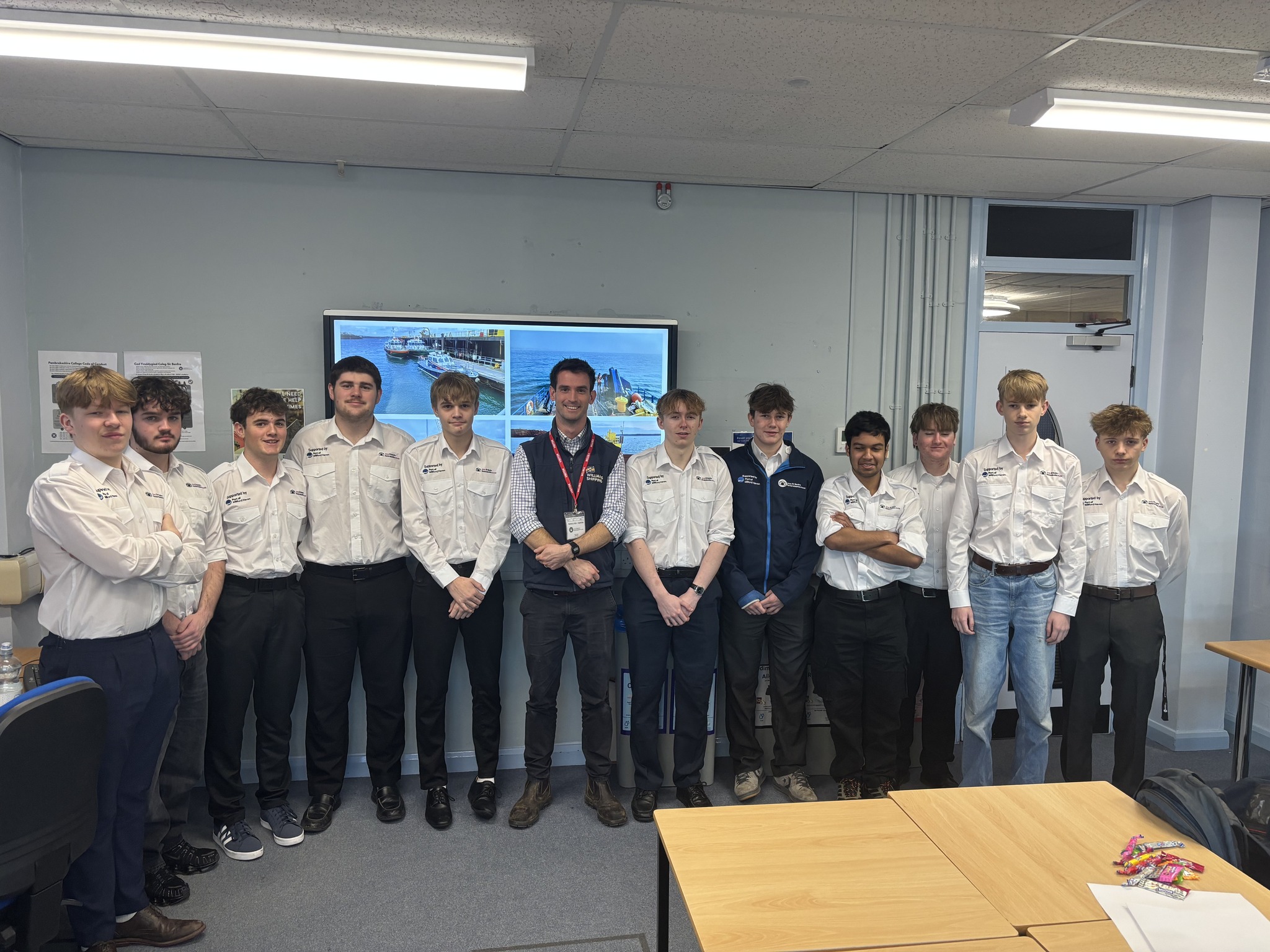
STUDENTS training for careers at sea were given a first-hand look at life in the maritime industry after a leading shipping professional visited Pembrokeshire College to share his experience of operations on the Milford Haven Waterway.
Toby Forester, from Williams Shipping, met with the College’s Enhanced Marine Engineering Pre-Cadets to explain how commercial shipping, marine services and logistics work together to keep one of the UK’s busiest energy ports moving.

Learners heard about the wide range of activity taking place daily on the estuary, including vessel movements, specialist support craft, safety management and the coordination required to operate safely and efficiently in a working port environment.
Staff said the session gave students valuable real-world context, helping them understand how the engineering skills they develop in workshops and classrooms directly translate into careers within the maritime and energy sectors.
The visit forms part of the College’s wider effort to strengthen links between education and industry, ensuring young people are exposed to employers and career pathways while still in training.
College representatives said experiences like this help build confidence and ambition among learners considering technical roles at sea or ashore.
They thanked Williams Shipping and Mr Forester for supporting the next generation of marine engineers and helping inspire future talent in Pembrokeshire’s coastal economy.
Photo caption: Marine engineering pre-cadets at Pembrokeshire College welcomed an industry talk from Williams Shipping about operations on the Milford Haven Waterway (Pic: Supplied).

Family and charity issue fresh appeal for information about guitarist 31 years on
THIRTY-ONE years after the disappearance of Richey Edwards, a new public appeal has been issued urging anyone with information to come forward.
Edwards, guitarist and lyricist with Manic Street Preachers, vanished on January 31, 1995, in a case that has become one of the most enduring mysteries in British music history.
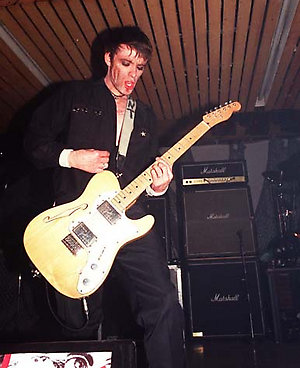
The then 27-year-old was last seen at the Embassy Hotel Bayswater in west London, where he had been staying ahead of a promotional trip to the United States. He checked out of room 561 but never reached his destination.
Despite numerous reported sightings over the years, none have ever been confirmed. Edwards was officially declared presumed dead in 2008, though his family continue to mark the anniversary of his disappearance and keep hope alive that answers may still emerge.
Anniversary appeal
The charity Missing People has released a statement in collaboration with Edwards’ sister Rachel, asking the public to remember the case.

In a social media post, the organisation said: “It is 31 years since Richard went missing, please keep his family in your thoughts.”
They also repeated key identifying details from the time he vanished. Edwards was described as white, around 5ft 7in tall, slim, with brown eyes and a shaved head. He had several distinctive tattoos, including a rose with the words ‘Useless Generation’, the phrase ‘I’ll surf this beach’, and a scar on his lower left arm where he had scratched the words ‘4 REAL’.
Unanswered questions
His car was later found near the Severn Bridge services, close to the Welsh border, prompting widespread searches but yielding no firm clues about what happened next.
At the time of his disappearance, the band were on the brink of international success. Edwards’ intense, literate songwriting and striking image had already made him a defining figure in Welsh rock music. More than three decades later, fans still hold vigils, create murals and share tributes across Wales and beyond.

Police say the case remains open.
Anyone with information is asked to contact the Metropolitan Police Service on 101 or use their online reporting service, quoting reference CONNECT REF 01/764429/24. Missing People also operates a free, confidential helpline on 116 000.

Visit comes as campaigning steps up ahead of the Senedd elections on May 7
PEMBROKESHIRE Conservative Members of the Senedd were among those meeting Opposition leader Kemi Badenoch in Cardiff Bay on Friday, as political parties increase campaigning ahead of the Senedd elections.
Samuel Kurtz MS, Welsh Conservatives Group Chair, welcomed Ms Badenoch alongside Darren Millar MS and Conservative colleagues during her visit to the Senedd. Discussions focused on the party’s priorities for Wales, the economy, and the future of the United Kingdom.
With fewer than 100 days to go until polling day on May 7, the Welsh Conservatives said the visit formed part of their preparations for the election, with a focus on their “Fix Wales” campaign message.
Mr Kurtz, who is standing as a Conservative candidate for the new Ceredigion and Pembrokeshire constituency, was joined by fellow candidates Paul Davies MS, Claire George and Brian Murphy.
Following the Cardiff Bay visit, Mr Kurtz returned to Pembrokeshire to hold a public advice surgery at Lamphey Hall, where residents raised local issues and concerns despite heavy rain.
The Senedd election will take place on May 7.

Crime2 days ago
Manhunt intensifies after woman seriously injured in Carmarthen park stabbing
Police say suspect known to victim as attempted murder investigation continues A MAJOR police manhunt is under way after a...

Health3 days ago
Consultation reveals lack of public trust in health board
EARLIER this week, Hywel Dda UHB published the results of a consultation into the future configuration of its clinical services....

Community3 days ago
Specialist team searches River Teifi in ongoing hunt for missing man
A SPECIALIST search team has carried out a renewed and highly technical search of the River Teifi in Cardigan as...


News4 days ago
Wales’ first minister keeps distance from Starmer before May vote
Senedd race not Westminster THE FIRST MINISTER has moved to draw a clear dividing line between the Welsh Labour campaign...
News4 days ago
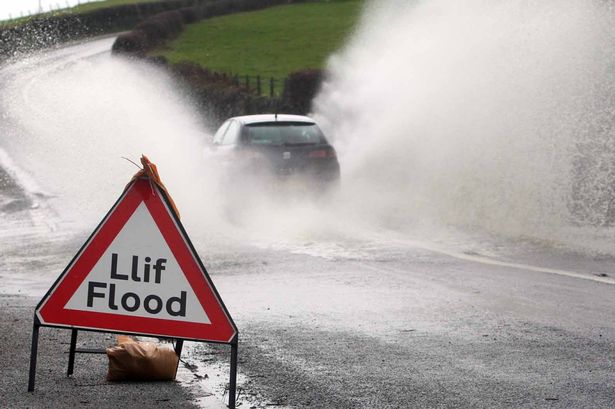
Kurtz raises Gumfreston flooding in the Senedd as petition deadline nears
LOCAL Senedd Member Samuel Kurtz has raised the long-running flooding problems affecting the B4318 at Gumfreston in the Senedd, as...

Community4 days ago
Anchor re-dedicated to mark 30 years of US–Haverfordwest ties
Service honours shared history, service and friendship on the Quayside A SYMBOL of Haverfordwest’s wartime and Cold War connections with...

Business5 days ago
Senedd urged to act as Welsh pubs fall further behind England on business rates
Industry leaders warn of closures and job losses as pressure mounts on ministers to pass on funding PUBS across Wales...


Crime5 days ago
Haverfordwest man jailed for online death threat
A Haverfordwest man has been sentenced to a year in prison after sending a threatening message online. Michael Carruthers, 34,...

Community5 days ago
Storm Chandra: Morning impacts across Pembrokeshire
HEAVY overnight rain and strong winds brought by Storm Chandra have caused disruption across Pembrokeshire, with fallen trees and localised...

Business6 days ago
Business voices heard as Kurtz and Davies urge action on business rates
LOCAL businesses from across West Wales have voiced serious concerns about the impact of business rates at a dedicated roundtable...
-
Health3 days ago
Consultation reveals lack of public trust in health board
-
 News4 days ago
Caldey still unsafe, survivors warn — despite Abbey’s reform claims
-

 Community4 days ago
Pembrokeshire students speak at national Holocaust Memorial Day event
-

 News6 days ago
Wales warned against single police force as Lib Dems cite Scotland ‘lesson’
-
 Crime6 days ago
Milford Haven man appears in court charged with burglary and GBH
-
 Business6 days ago
Duke of Edinburgh Inn in Newgale on the market for £325,000
-
 Business6 days ago
Former Halifax in Haverfordwest could soon become new high street nail bar
-

 Local Government6 days ago
Pembrokeshire council house rents to increase this year