


News
Narberth School site talks held in private

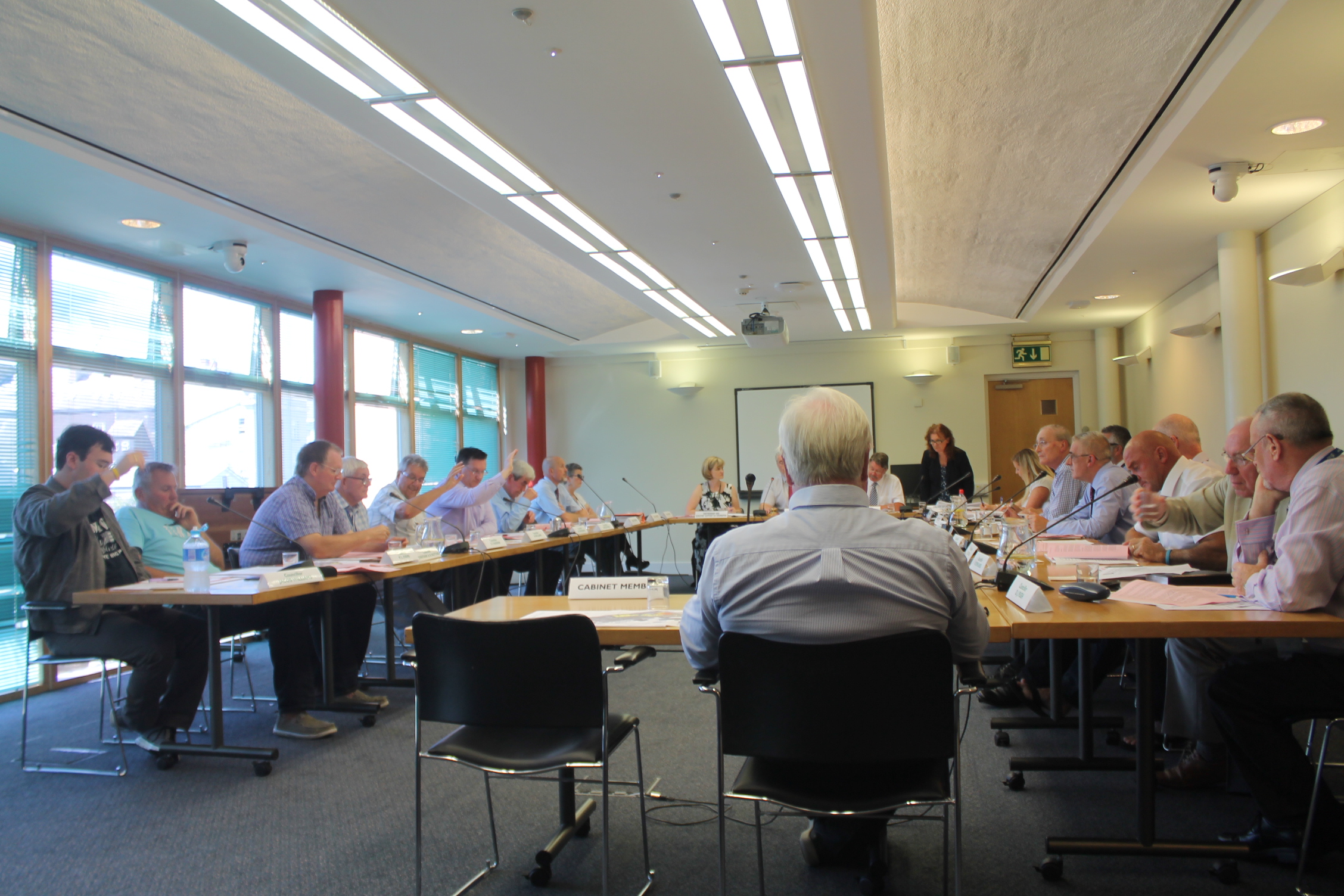
 DISCUSSIONS surrounding Pembrokeshire County Council’s loan to a developer for the development of the old school site in Narberth were held in private yesterday (Jul 18).
An Extraordinary meeting of the Economy Overview and Scrutiny Committee was called to debate the matter following a decision made by Cabinet which was called in by Cllr Jacob Williams.
At the Cabinet meeting on July 4, discussions were also held in private sessions but it was agreed that the council should accept a revised offer from the developer, Abbeymore Estates/Knox, and that a loan be made available to them in order to facilitate the development of the site.
It is understood that the loan is more than £2million.
The Extraordinary Economy committee convened and discussed whether or not the matter should be held in private.

Councillor Jonathan Nutting asked for the reasons why the meeting should be held in private but the director, Dr Stephen Jones, only repeated what was set out on the agenda.
Cllr Mike John said: “We’ve got a duty to the developer and we’re in a negotiation position with that developer and they are acting with us in good faith and it wouldn’t be right for that information to go out.”
Cllr Guy Woodham asked whether or not parts of the meeting could be held in private rather than the whole meeting.
The Council’s Legal officer, Clair Incledon, said that parts of the meeting could be taken in public but added that officers would not be able to provide information as confidently as they would if it was held in private.

Cllr John added that the reason for the meeting taking place was the financial aspects of the report.
Cllr Jacob Williams said: “Cllr Nutting asked a straightforward question; what information was likely to fall into that category and Dr Jones just repeated what’s on the agenda, he repeated there is likely to be information, but I was quite clear that Cllr Nutting wanted to know what information.
“I don’t accept that there is actually commercially sensitive information, what we regard as that could be that the developer is struggling or failing to attract private investment which is already a matter of public interest.

“We have to weigh up the public interest and I would ask the question; what is to be gained or what is to be lost by convening in public. What I think would be gained is public confidence or at least the ability for the public to know what actually has gone on.
“If we convene in secret today, it would be secrecy for secrecy’s sake and there is a lot to be gained by holding this meeting in public.
“A lot rides on this report and it is a fundamental part to the cabinet decision so I would say that should be in the public.”
Cllr Michael Williams said: “The report states that the Strategic Asset Management group discussed this application, I’m a member of that group but I’m not sure if we can make binding recommendations.
“I can’t see the difference between the loan we gave to Saundersfoot Harbour Commissioners of £1.5million which were discussed in public and yet when I asked to see the business plan I was told it was commercially sensitive and confidential and I had to sign a confidentiality document before I could see it.
“This is the allocation of public money and too often we retreat behind the cloak of privacy.”
Cllr Mike Evans said there was confidentiality but added: “It’s whether the principle of public knowledge, with public funds, outweighs this, and taking on board Cllr John Allen-Mirehouse’s comment that a developer might walk away, this is a game changer and I am interested in it that the authority uses some of our assets to enable development within the county.
“The terms of the loan that this authority might offer could well open up a new market and this might lead to developers walking in.”
Cllr Mike John proposed that the meeting be held in private session and that was passed by eight votes to five.



Danger on T-Rex Mountain promises prehistoric thrills, interactive fun and a spectacular T-Rex finale
DINOSAURS will take over the Torch Theatre this July as Dinosaur Adventure Live returns with its latest family production, Danger on T-Rex Mountain.
Now in its fifth year, the show combines storytelling, impressive puppetry and fascinating science to bring the prehistoric world crashing back to life on stage.
Audiences can expect a shadowy raptor on the loose, baby dinosaurs that need feeding and plenty of opportunities for younger visitors to stomp, roar and swish their tails along with the action.
Created by Mike Newman, the imaginative mind behind Exciting Science, the production blends humour, suspense and hands-on learning in an energetic and interactive theatrical experience.
Children are encouraged to become part of the adventure, helping the performers as the story unfolds and preparing themselves for the arrival of the show’s biggest and most fearsome attraction.
When the T-Rex finally bursts onto the stage, audiences can expect a heart-pounding finale filled with excitement, surprises and plenty of prehistoric noise.
Alongside the action, the hour-long production includes a series of entertaining “Dino-Facts”, helping younger audience members learn about dinosaurs and palaeontology without the show ever feeling like a classroom lesson.
With its combination of comedy, audience participation and just the right amount of suspense, Danger on T-Rex Mountain is suitable for committed young dinosaur experts and families looking for an entertaining summer adventure.
Dinosaur Adventure Live: Danger on T-Rex Mountain will be staged at the Torch Theatre on Thursday, July 30, with performances at 2pm and 4.30pm.
Tickets cost £15.95 and a post-show meet-and-greet will also take place.
The production is recommended for children aged four and over.
Tickets can be booked through the Torch Theatre website or by calling the box office on 01646 695267.

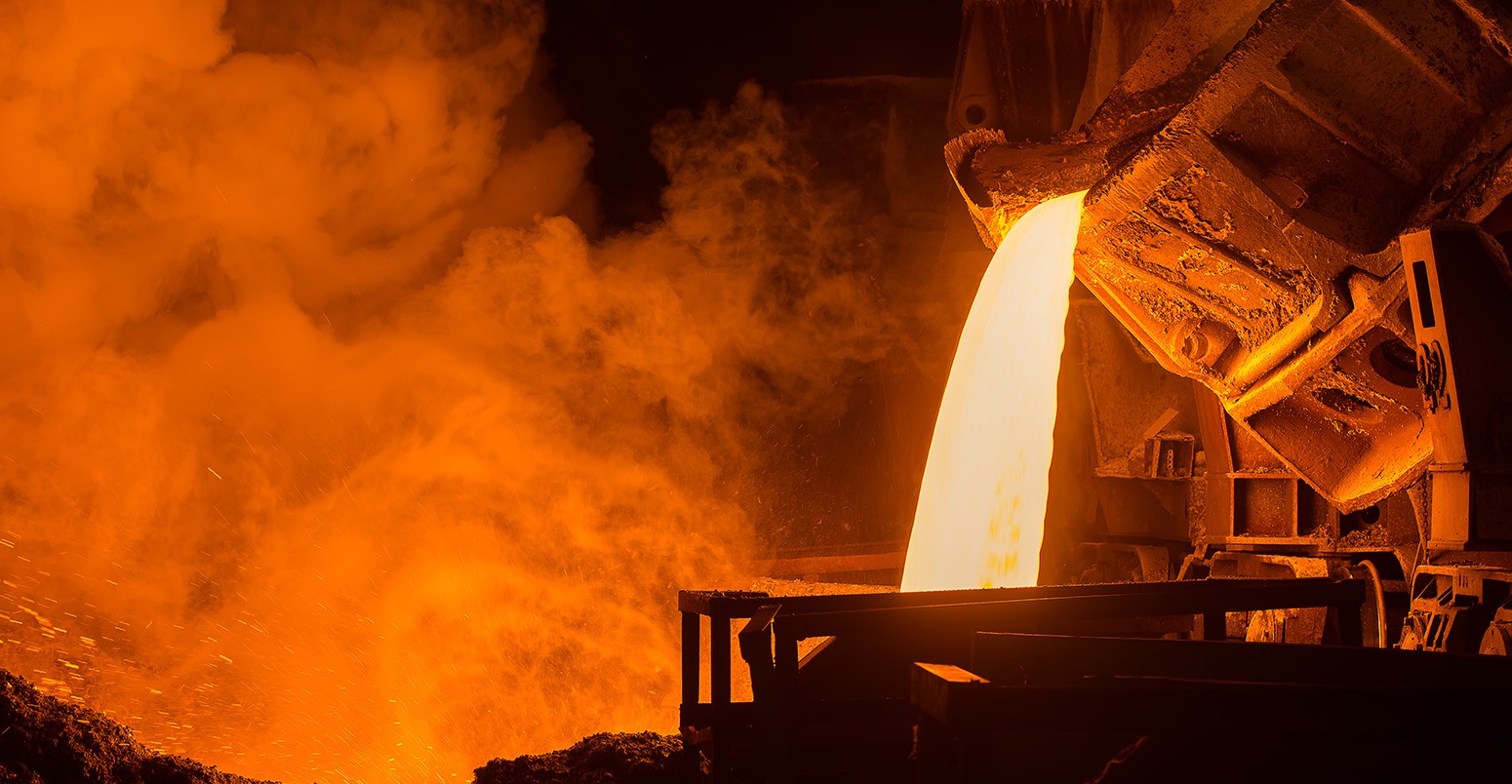
Union warns UK trade concession could threaten Llanwern steelworks despite government promises to protect domestic production
FEARS have been raised for the future of one of Wales’s most strategically important steel plants after the UK Government granted India a significantly larger quota for tariff-free galvanised steel imports.
Union leaders and industry figures have warned that the decision could undermine Tata Steel UK’s Llanwern works near Newport, which produces around 600,000 tonnes of galvanised steel each year.
The plant supplies almost half of total UK demand for the material, which is widely used by the automotive and construction industries.
The warning comes just months after ministers unveiled a new strategy intended to protect British steelmaking from cheap overseas competition and increase the proportion of steel used in the UK that is produced domestically.
However, details of the new import arrangements show that India has been allocated a tariff-free quota of 125,000 tonnes for metallic-coated steel, commonly referred to within the industry as Category 4 steel.
India exported around 43,000 tonnes of the product to Britain last year, meaning the new allowance is almost three times that volume.
Trade deal concession
The Financial Times reported that the quota was increased during last-minute negotiations to secure the implementation of the UK-India free trade agreement.
According to the report, India had objected to proposals to reduce its steel allocations and warned that the trade agreement could be delayed unless its concerns were addressed.
The deal came into force on Wednesday, July 15, and has been promoted by ministers as a major economic opportunity for British exporters.
The UK Government estimates that the agreement could eventually increase bilateral trade by £25.5 billion a year and add £4.8 billion annually to the economy.
It includes lower Indian tariffs on products such as British whisky and vehicles, while reducing UK duties on Indian clothing, footwear and some food products.
However, steelworkers now fear that the price of securing those wider benefits could be paid by Welsh industry.

Threat to Llanwern
Llanwern specialises in producing high-quality galvanised steel, which is coated with zinc to protect it from corrosion.
Its products are used in vehicles, buildings and infrastructure, making the Newport site an important part of both the Welsh economy and Britain’s manufacturing supply chain.
Alasdair McDiarmid, assistant general secretary of the steelworkers’ union Community, said the import allowances could threaten the sustainability of the plant.
He described Llanwern as a crucial strategic facility supplying high-quality steel to the automotive and construction sectors.
The union said workers could already see imported steel coils accumulating at Newport docks and questioned why Llanwern appeared to have received less protection than other areas of the British steel industry.
No closure or job losses have been announced, but the warning will cause renewed concern in communities that have already experienced years of uncertainty surrounding the future of steelmaking in Wales.
Wider quotas also increased
The decision relating to India had wider consequences because international trading rules require comparable exporting countries to be treated equally.
South Korea has reportedly been allocated a Category 4 quota of 100,000 tonnes, while Vietnam has received an allowance of 175,000 tonnes.
Industry representatives are particularly concerned about material entering from Vietnam, amid claims that the country processes steel originating from China, where excess production has contributed to a global fall in prices.
The combined allowances could expose Llanwern to significantly more overseas competition in a market it currently plays a leading role in supplying.
One industry insider estimated that the new arrangements could cost British steel producers hundreds of millions of pounds in lost revenue.
Policy described as ‘baffling’
The decision appears to contrast sharply with the UK Government’s broader approach to steel imports.
Under measures that came into force on July 1, overall tariff-free steel import quotas were reduced by 51 per cent. Imports exceeding the allocated amounts are now subject to a 50 per cent tariff.
Ministers said the protections were required because of global overcapacity, which has allowed large volumes of cheaper steel to enter international markets and placed British producers under intense pressure.
UK crude steel production has fallen by more than half over the past decade, while high energy prices and ageing industrial infrastructure have further weakened the sector’s competitiveness.
Peter Brennan, director of trade at industry body UK Steel, said the government had taken the bold action required across most steel categories.
However, he described the effective liberalisation of Category 4 imports from countries outside the European Union as baffling.
Tata Steel UK has also expressed concern that the quotas for metallic-coated products remain too high and do not properly reflect conditions within the British market.
The company said effective trade protections were essential to maintaining domestic production, investment and commercially viable downstream operations.
Welsh steel under pressure
The latest dispute comes during a period of major change for the steel industry in Wales.
Traditional blast furnace production at Port Talbot has ended as Tata Steel develops a new electric arc furnace, supported by £500 million from the UK Government.
That transition resulted in the loss of thousands of jobs and left the future of the wider Welsh steel network dependent on the commercial success of remaining and modernised operations.
Llanwern is one of the most valuable downstream facilities in that network, producing finished steel for customers in sectors where reliability and quality are critical.
Critics argue that allowing additional volumes of competing galvanised steel into the country could weaken the business case for continued production and investment at the site.
They also question how the decision fits with the government’s stated ambition to rebuild industrial capacity, protect strategically important industries and reduce Britain’s dependence on overseas suppliers.
Government defends arrangements
The UK Government said the steel measure was intended to strike a balance between protecting domestic production and ensuring businesses had access to secure supplies.
A spokesperson said the final quotas followed extensive consultation with industry and promised that the arrangements would be reviewed after 12 months.
However, unions are likely to demand action well before that review if increased imports begin to affect orders or production at Llanwern.
The controversy leaves ministers facing difficult questions over whether the interests of Welsh steelworkers were sacrificed to secure a wider international trade agreement.
For communities across industrial south Wales, the concern is that another strategically important plant could be left exposed after years of promises that domestic steel production would finally receive stronger protection.
Welsh Government guarantees £340m annually for Sustainable Farming Scheme as minister pledges greater certainty and less bureaucracy
WELSH farmers will receive more than £1 billion in agricultural funding over the remainder of the Senedd term, under a new multi-year commitment announced by the Welsh Government.
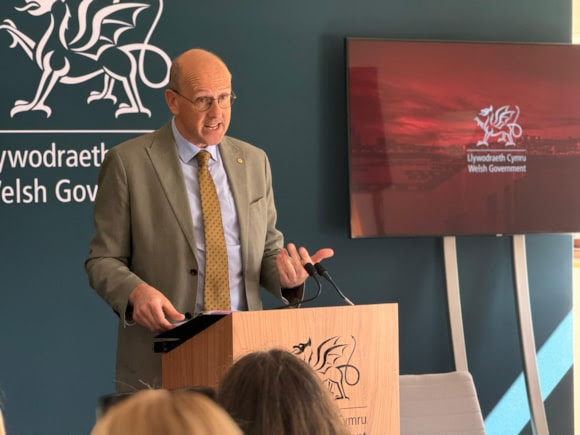
Cabinet Minister for Rural Resilience and Sustainability, Llyr Gruffydd, unveiled the package at the Royal Welsh Show, in his first major announcement since taking responsibility for the rural affairs portfolio.
The Government has guaranteed £340 million a year for three years, taking funding for the Sustainable Farming Scheme through to March 2030.
Of that annual total, £238 million will support the scheme’s Universal Layer, while £102 million will fund Optional and Collaborative actions.
The Welsh Government said the agreement would end the uncertainty caused by annual funding settlements and allow farming businesses to make longer-term investment and planning decisions.
The commitment was promised during the first 100 days of the new Plaid Cymru Government.
Mr Gruffydd said: “Giving farmers only 12 months’ line of sight to funding is not sufficient.
“We know how hard it is to plan and make business decisions without knowing what funding is coming.
“Farmers told us loud and clear they need certainty and stability, and that is exactly what we are delivering.”
Red tape changes announced
The minister also announced initial measures intended to reduce bureaucracy for family farms, following early feedback from an independent review led by former NFU Cymru president John Davies.
The requirements of the Animal Health Improvement Cycle, known as AHIC, will be simplified under the Universal Layer of the Sustainable Farming Scheme.
The Welsh Government will work with farm assurance schemes to align their requirements from 2027.

Farmers participating in an aligned assurance scheme would then complete one form following a single veterinary visit, rather than carrying out separate processes for farm assurance and Sustainable Farming Scheme compliance.
Because 2026 is being treated as a transition year, membership of farm assurance schemes that have committed to aligning their requirements by 2027 will be accepted as satisfying the AHIC requirement this year.
Mr Gruffydd said the relationship between farmers and their vets would remain central to improving animal health and farm performance.
New grants opening
Applications for organic conversion support are expected to open at the end of July.
A new Production and Efficiency capital grant category will also provide support towards livestock-handling facilities, precision soil and crop-management equipment, and other investments designed to reduce waste and improve productivity.
Further Optional Actions will be introduced over the coming months.
The Small Woodland Creation Grant and Woodland Creation Grant application windows will open on Monday, July 20.
A further window for the Integrated Natural Resources Scheme, which forms part of the Collaborative Layer, is also expected to open later this year.
Mr Gruffydd said: “The family farm sits at the heart of rural Wales, its economy and its communities.
“I am committed to working to ensure farming in Wales thrives for generations to come.
“My message to farmers from day one has been: you have a minister on your side.
“Someone who is in tune with the agricultural sector, who knows that the family farm is the foundation of our rural economy and our rural communities, and who will work every day to make sure farming in Wales thrives for generations to come.”


News4 hours ago
Andy Burnham set for No 10 as Wales awaits change
Incoming Prime Minister pledges to move power out of Westminster and deliver growth in every postcode, but questions remain over...


Health12 hours ago
Two new surgeons appointed as Hywel Dda admits orthopaedic waits remain too long
Health board says it is increasing capacity after figures revealed hip replacement patients waited an average of 64 weeks HYWEL...


Community1 day ago
84-year-old man rescued after falling overboard near Tenby
A MAYDAY call sparked a major nighttime rescue after an 84-year-old man fell from a tender and was swept towards...


Crime2 days ago
Jury hears final arguments in Milford Haven teacher stabbing trial
Defence says there was no motive or intention to kill as judge reviews competing accounts of classroom knife incident SPECIAL...
News2 days ago
Andy Burnham becomes Labour leader and prepares to enter No 10
Former Greater Manchester mayor promises an ‘unashamedly Labour’ government after completing extraordinary return to Westminster ANDY BURNHAM has been formally...


News3 days ago
Motorcyclist dies following collision near Narberth
Police appeal for witnesses and footage after fatal crash on B4313 at Redstone A MOTORCYCLIST has died following a collision...


Local Government3 days ago
Stepaside school saved as council abandons closure proposal
Governors welcome decision but maintain original plans were based on outdated information STEPASIDE Community Primary School will remain open after...

Crime3 days ago
Footballer given 200 hours’ unpaid work for eye-gouging assault during match
Magistrates heard Robert Hedley put an opposing player in a headlock before gouging at his eyes during a match in...


Community4 days ago
Tenby Summer Spectaculars brought to an end after harbour licence revoked
Round Table says it was willing to make major safety changes but could not secure the access controls needed to...
Local Government5 days ago
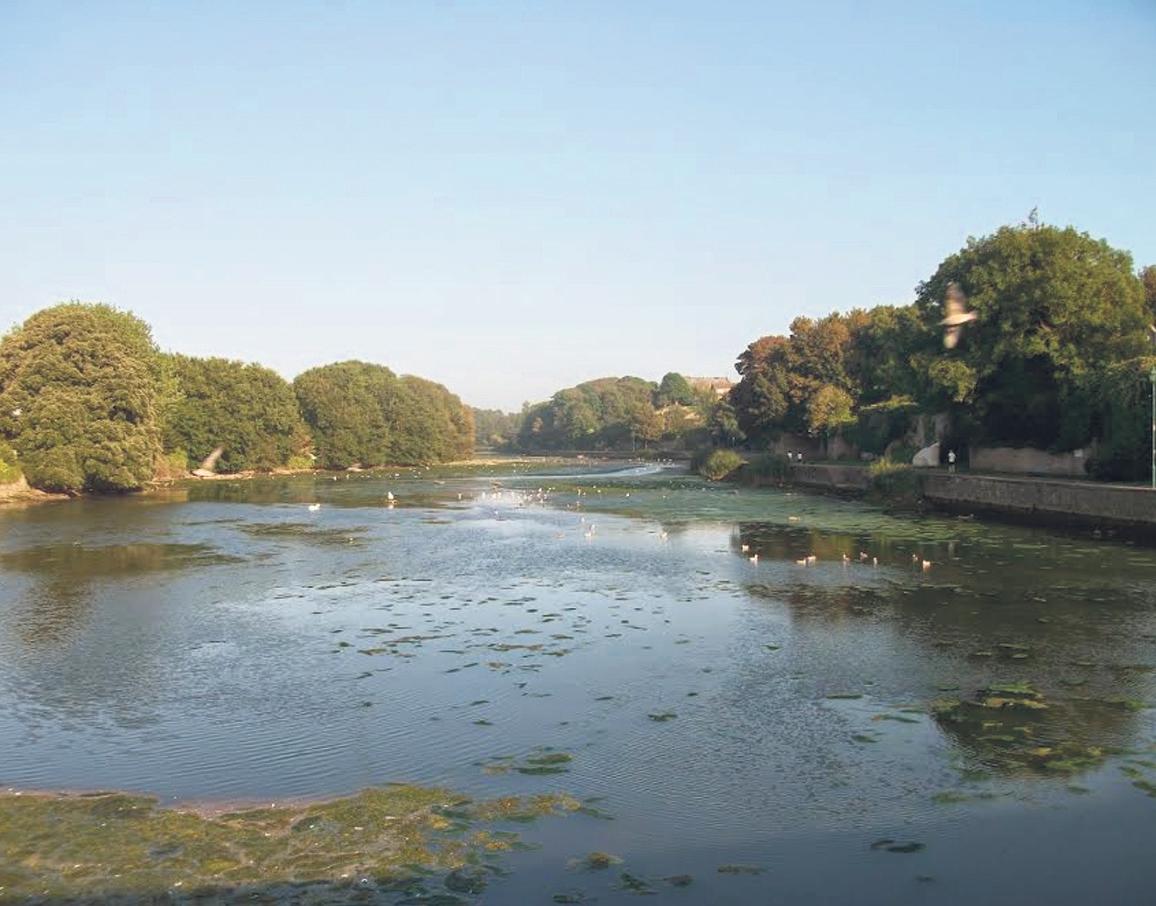
Catapult attacks suspected after wildlife deaths at Pembroke Mill Pond
Wildlife Crime Officers are investigating after the town council said around five animals showed signs of deliberate injury WILDLIFE found...
-
Community1 day ago
84-year-old man rescued after falling overboard near Tenby
-
 Crime2 days ago
Fears wildlife at Mill Pond beauty spot being targeted by catapults
-
 Business2 days ago
Seasonal campsite at former scrapyard approved by National Park planners
-

 Crime1 day ago
Drug-driver sent vehicles airborne in terrifying M4 collision
-
 Community2 days ago
Protests against removal of school’s VC status at County Hall
-
Health12 hours ago
Two new surgeons appointed as Hywel Dda admits orthopaedic waits remain too long
-
 Community2 days ago
Councillor say Stepaside should “never have been considered for closure”
-

 Local Government2 days ago
Call to help properties facing thousands in second homes tax bills