


Entertainment
Tenby Blues Festival ready to rock the town this November


“Tenby Blues Festival is easily in line for the Best Blues Festival in the UK.” – Blues Matters Magazine, 2025
TENBY will once again come alive to the sound of blues, soul and rock this autumn as the award-winning Tenby Blues Festival returns from Friday, November 14 to Sunday, November 16.

Now one of Wales’ most anticipated live music weekends, the festival will see over 50 gigs across more than 20 venues, filling the seaside town with electric and acoustic performances – from old classics to fresh new sounds.
Organisers promise a vibrant mix of styles influenced by the blues – including Rock ‘n’ Roll, R’n’B, Soul, Country, Hard Rock, Jazz and Folk. Whether you’re a devoted fan or simply love great live music, Tenby will be the place to be.
The main stage at the De Valence Pavilion will host three ticketed shows each night, featuring a line-up of top international and UK artists. Highlights include the UK debut of rising Afro-American bluesman Sean “Mack” McDonald, hailed as carrying on where BB King left off, the acclaimed Finnish guitar virtuoso Erja Lyytinen, and Aisha Khan and the Rajahs, who will close the weekend with an uplifting feel-good performance.
The Giltar Hotel will once again host the legendary late-night sessions on Friday and Saturday, headlined by the “Queen of Welsh Blues” Bella Collins, who’ll be playing into the early hours.

Over at Church House, Saturday lunchtime brings an acoustic treat with Welsh roots favourites John Lewis and Christopher Rees. Meanwhile, at the De Valence balcony, the Senna Weeks Trio will deliver a high-energy set guaranteed to get the crowd moving.
For those following the famous Blues Trail, more than 20 local venues – from Bar 10 to the Dog’s Home, the Bowling Club to the Sailing Club – will host free live music throughout Saturday and Sunday afternoons.
Festival organiser Malcolm Cawley said the event continues to grow each year:
“Tenby Blues is about bringing people together through the power of live music. The support from our community and visitors makes it really special – and most of the shows are free, so everyone can get involved.”
Tickets and the full festival programme are available at tenbyblues.co.uk.
The festival is supported by Pure West Radio, The Giltar Hotel, Tenby Brewing Co., and Bluestone Brewery.
Further information:
Malcolm Cawley – 07900 091664
[email protected]









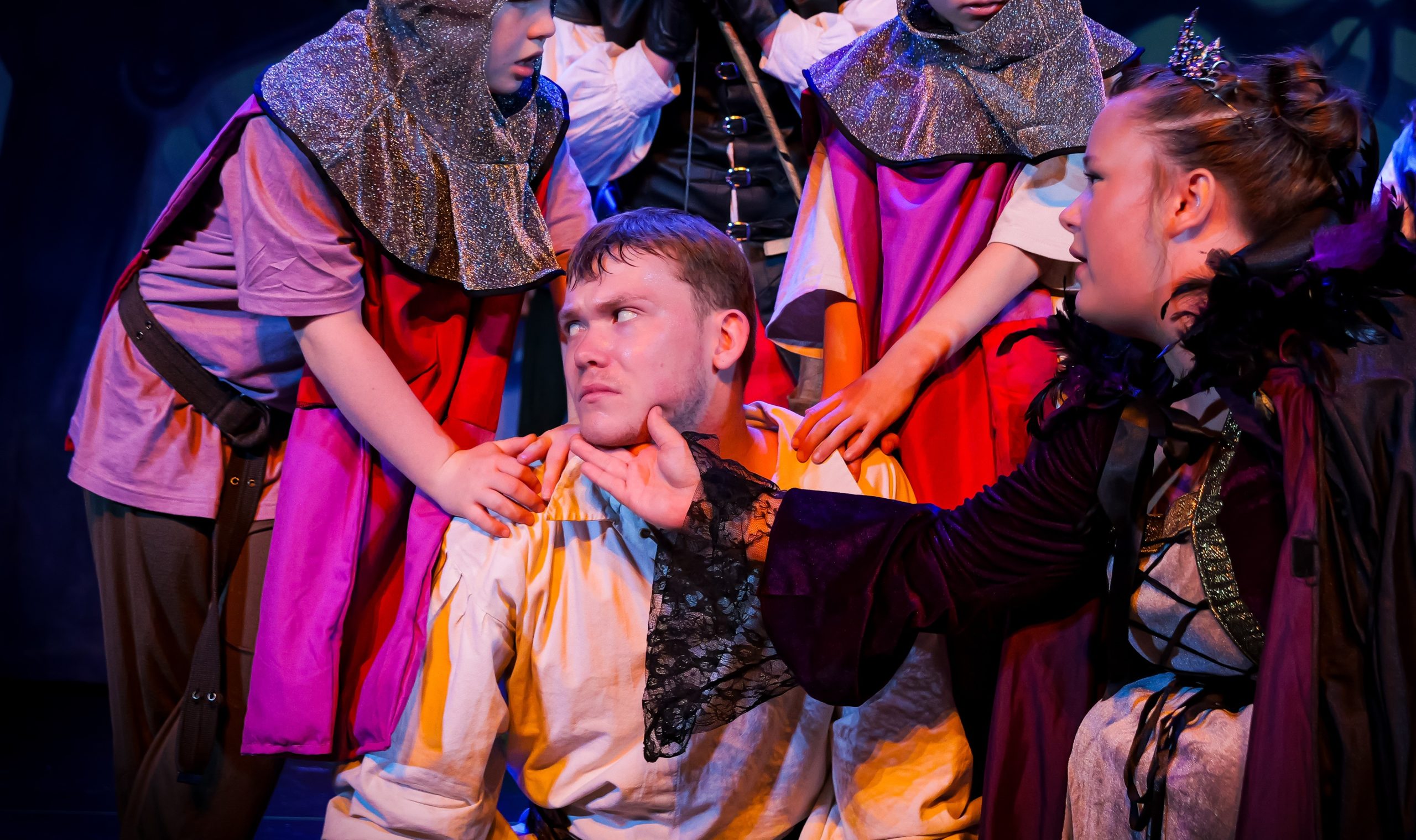
There is something particularly special about watching a children’s cast take to the stage, and Robin Hood: The Legend of the Black Knight, presented by Torch Youth Theatre, was a wonderful example of just how much talent, enthusiasm and confidence young performers can bring to a show.
Running at the Torch Theatre from Monday, July 20 to Thursday, July 23, the production offers a brand-new retelling of the timeless Robin Hood legend, transporting audiences into the heart of Sherwood Forest.
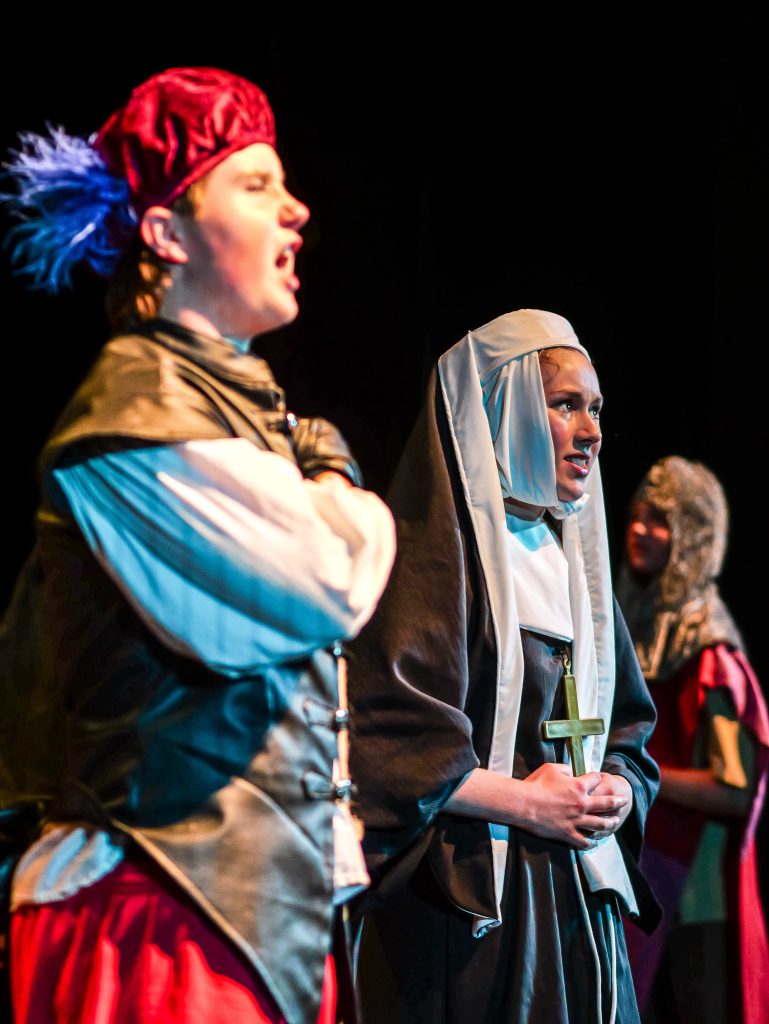
The story follows Robin Hood, Maid Marian and a host of familiar characters as they fight for freedom against the tyranny of Queen Eleanor and the ruthless Sheriff of Nottingham. With daring escapes, a legendary archery contest and the mysterious presence of the Black Knight, there is plenty to keep audiences entertained.
From the outset, the production felt well organised and ran remarkably smoothly, with no noticeable hiccups. The set was simple and minimalistic, which worked particularly well. Rather than distracting from the action, it provided an effective backdrop that allowed the cast and story to remain the focus.
The lighting was another real highlight. It was beautifully executed throughout, helping to establish the mood and tone of each scene while adding to the overall atmosphere of the production. The timing was excellent, and there were no noticeable technical issues.
The costumes were also a real highlight and helped bring the characters and story to life. They were well designed, colourful and suited the production perfectly, adding to the overall visual appeal of the show. It was clear that a lot of thought had gone into making sure each character looked the part.
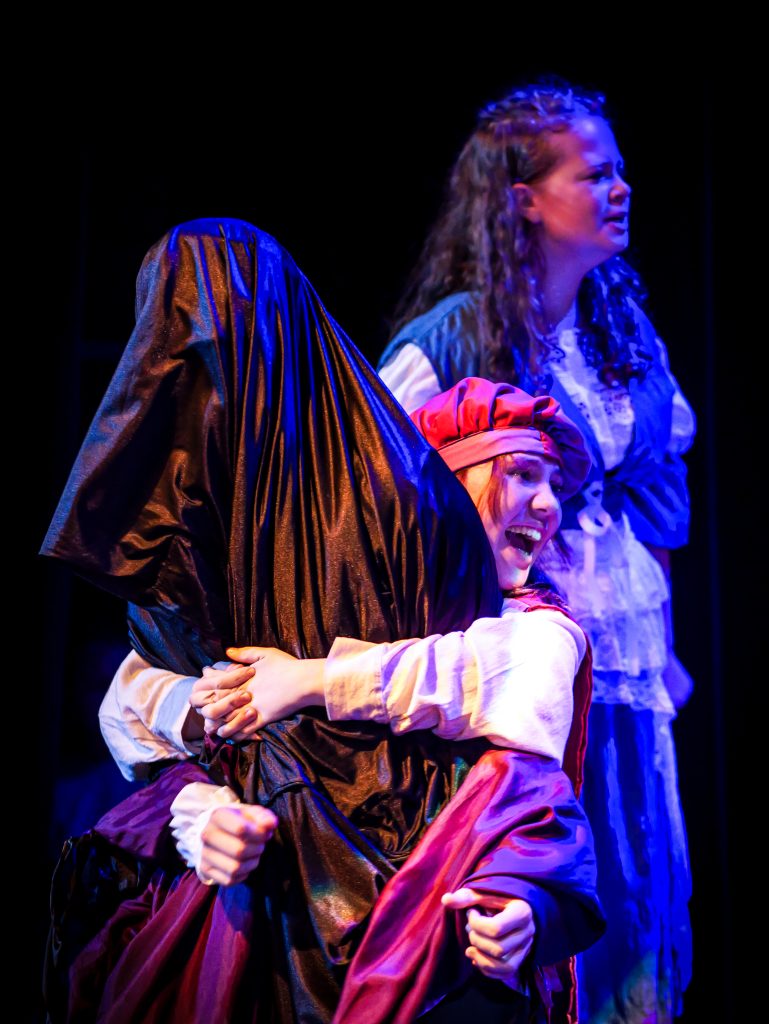
The props were also well chosen and surprisingly realistic. One particular detail that caught my attention was the Ring of Power, which looked wonderfully sparkly under the stage lights and added a lovely touch of magic to the production.
The sound was generally clear, and the children did an excellent job of projecting their voices. There were a few moments when the sound seemed to drift slightly, and some lines were harder to hear when there was additional commotion happening on stage. However, this was only a minor issue, and overall the cast communicated confidently and clearly.
The performances themselves were a real strength of the show. While the entire cast deserves credit for the effort and commitment they brought to their roles, a few performers particularly stood out. Maid Marian was absolutely brilliant and showed an impressive level of confidence and natural ability. She is clearly a very promising young performer, and it would be wonderful to see where her talent takes her in the future.
The adult Robin Hood was also excellent and, in my opinion, perfectly cast. Together, they provided a fantastic opportunity to showcase two very talented performers, and both certainly rose to the occasion.
The comic relief was another highlight, with some genuinely entertaining moments throughout. The brief singing with the ukulele, along with Steven’s contribution, brought plenty of fun and energy to the production and added to the enjoyment of the audience.
What impressed me most, however, was the confidence and commitment of the entire cast. Every performer played their part with enthusiasm, and I was particularly impressed by how well the younger children handled themselves on stage. It is no small achievement to perform in front of an audience, and they should all be incredibly proud of themselves.
The inclusion of Welsh-speaking elements was also a lovely touch. It fitted naturally into the production and added a sense of local identity, making the show feel particularly well suited to its setting.
Away from the stage, the theatre itself was clean and welcoming, with comfortable seating and a good selection of snacks and drinks available, including during the interval. These small touches helped make the whole experience feel relaxed and enjoyable.
Perhaps the greatest compliment I can give the production is the atmosphere in the theatre. Throughout the performance, the audience appeared completely at ease and engaged. It was lovely to see families enjoying the show together, with siblings cuddling up and parents sitting back, relaxed and entertained.
Overall, Robin Hood: The Legend of the Black Knight was a thoroughly enjoyable production that showcased an impressive amount of young talent. The cast performed with confidence, energy and enthusiasm, supported by effective lighting, a well designed set, fantastic costumes and some lovely production details.
There was a real sense of warmth and community throughout the evening, and it was clear how much work had gone into bringing the production to life.
With tickets priced at £10, or £8 for concessions, the production offers an affordable opportunity for families to enjoy a night of live theatre while supporting the next generation of young performers.
A huge well done to everyone involved, including the cast, crew and everyone behind the scenes. You should all be incredibly proud of what you have achieved.
Tickets are available on the Torch Theatre website.

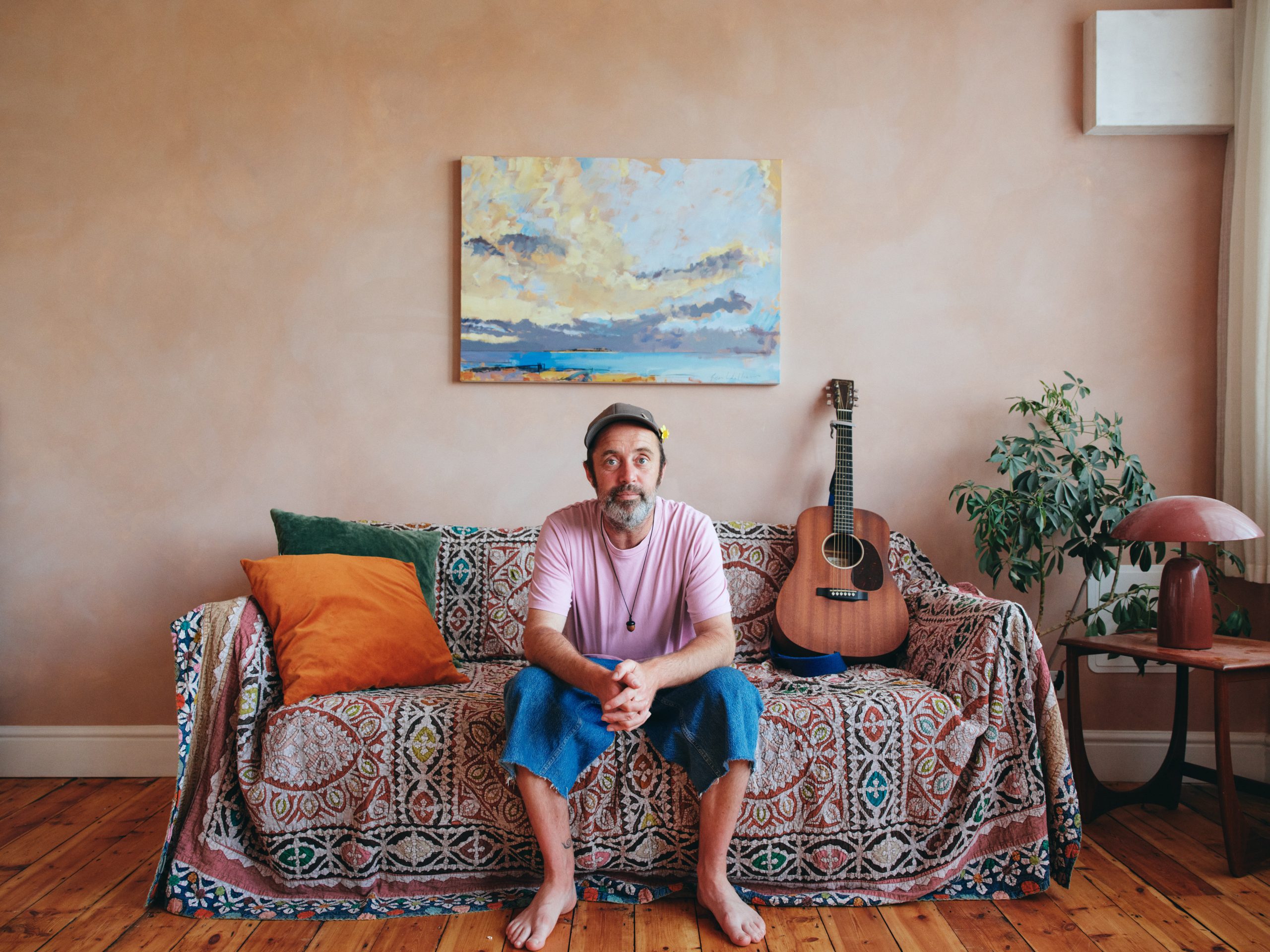
CELEBRATED folk troubadour Beans on Toast heads out on his annual UK tour later this year, with one show at The Queens Hall in Narberth on November 22.
Part concert, part gathering, every Beans on Toast show is a unique evening of songs and stories. Expect open-hearted tales of family, friendships and everyday life alongside protest songs, drinking songs, songs about nature and songs that’ll have you laughing one minute and wiping away a tear the next.
With his trademark warmth, wit and unwavering optimism, Beans has spent nearly two decades building one of the most loyal and welcoming audiences in British folk music. Whether you’ve been coming for years or it’s your first time, everyone is welcome.
Come and be part of a celebration of music, chaos, community and hope, and leave feeling like you’ve just caught up with an old friend.
UK TOUR DATES
18/11 BASINGSTOKE – Proteus Creation Space
19/11 BATH – Chapel Arts Centre
20/11 CHELTENHAM – Steam & Whistle
21/11 BRECON – The Foundry
22/11 NARBERTH – The Queens Hall
24/11 WOLVERHAMPTON – Wolverhampton Arts Centre
25/11 PRESTON – The Continental
26/11 HUDDERSFIELD – The Parish
27/11 SHIPLEY – Kirkgate Community Centre
28/11 ABERDEEN – The Tunnels
29/11 COATBRIDGE – The Georgian Hotel
1/12 WHITBY – Whitby Brewery
2/12 YORK – The Crescent
3/12 NORTHAMPTON – The Black Prince
4/12 NORWICH – Norwich Arts Centre
5/12 NOTTINGHAM – Bodega
6/12 NEWCASTLE-UNDER-LYME – The Rigger
7/12 STROUD – The Prince Albert
9/12 BOURNEMOUTH – Bear Cave
10/12 TOTNES – The Barrel House Ballroom
11/12 TORRINGTON – The Plough Arts Centre
12/12 WORTHING – The Factory Live
13/12 HASTINGS – Studio 27

Live DJs, terrace sessions and a new community event will form the hotel’s biggest August programme to date
THE IMPERIAL HOTEL in Tenby has announced plans for its biggest August Bank Holiday celebration yet, with four days of music, entertainment and community events overlooking South Beach.
The programme will run from Friday, August 28, until Monday, August 31, building on the hotel’s popular Tenby Rocks terrace sessions, which have taken place every Saturday throughout the summer.
Celebrations will begin on Friday evening with a ticketed event featuring DJ Mammoth, also known as Steve Dickson, who will perform a selection of Ibiza classics and house music.
Guests will also be served a specially prepared set menu in the hotel’s Essence restaurant before the evening continues with music and dancing overlooking the coastline.
Tickets for the Friday event cost £25 per person.
On Saturday, Tenby Rocks will return from midday until 7pm, with music and cocktails served on the terrace throughout the afternoon.
Presenters and DJs from Pembrokeshire radio station Pure West will take over from 5pm until 7pm.
A special community-focused event will then be held on Sunday from 5pm until 10pm.
The hotel has not yet released full details, but organisers say the evening will be designed to bring residents and visitors together in a celebration of Tenby and its community.
The weekend will conclude on Monday with live entertainment from midday until 6pm.
Inspired by the Tenby Rocks format, the final afternoon will feature laid-back reggae music aimed at families and groups of friends enjoying the last day of the Bank Holiday.
Amelia Parkes, Group Marketing Executive at Crest Hotels, said: “Our Tenby Rocks afternoons have become a real highlight of the summer, attracting both local residents and visitors who love the relaxed atmosphere, great music, cocktails and unbeatable views from the Imperial Hotel.

“For the August Bank Holiday, we wanted to create something even bigger by extending the celebrations across the entire weekend.
“Whether you are joining us for our ticketed Friday evening, enjoying DJ sets with Pure West on Saturday, discovering our Sunday community event or relaxing with music on Monday, there is something for everyone.
“Tenby is one of the UK’s favourite seaside destinations, and we are looking forward to welcoming guests from across Pembrokeshire for what promises to be an unforgettable Bank Holiday weekend.”
The celebrations are expected to add to the atmosphere in Tenby during what is traditionally one of the town’s busiest weekends of the summer.
Tickets for Friday evening are available through the Imperial Hotel Tenby website, with further details about Sunday’s community event due to be announced in the coming weeks.



Crime3 hours ago
Man, 37, found dead following major police response in Pembroke Dock
Death not being treated as suspicious as police make statutory referral to IOPC following active investigation A 37-YEAR-OLD man has...

Community6 hours ago
Household Cavalry drum horse returns home to Pembrokeshire for final farewell
Dyfed Willa Rose, who became Major Juno and the first mare to serve as a Household Cavalry Drum Horse, was...


News23 hours ago
Jo Stevens out as Welsh Secretary as Burnham reshapes government
Cardiff East MP repeatedly visited Pembrokeshire to champion clean energy jobs, but her successor inherits unresolved questions over Milford Haven’s...


Crime1 day ago
Teen cleared of attempted murder but guilty of GBH after Milford teacher stabbed
Jury returns 11-1 majority verdict on charge of causing grievous bodily harm with intent, with sentencing set for September 3...

Community1 day ago
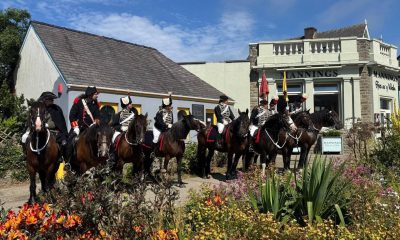
French troops march through Fishguard as Britain’s last invasion returns to life
Battle scenes, cavalry displays and a surrender procession brought one of Pembrokeshire’s most extraordinary stories back to the streets MUSKET...


News1 day ago
Andy Burnham promises new politics as he enters Downing Street
New Prime Minister admits politicians have “not been good enough” as he sets out a ten-year plan for Britain and...


Health2 days ago
Two new surgeons appointed as Hywel Dda admits orthopaedic waits remain too long
Health board says it is increasing capacity after figures revealed hip replacement patients waited an average of 64 weeks HYWEL...


Community3 days ago
84-year-old man rescued after falling overboard near Tenby
A MAYDAY call sparked a major nighttime rescue after an 84-year-old man fell from a tender and was swept towards...


Crime4 days ago
Jury hears final arguments in Milford Haven teacher stabbing trial
Defence says there was no motive or intention to kill as judge reviews competing accounts of classroom knife incident SPECIAL...

News4 days ago
Andy Burnham becomes Labour leader and prepares to enter No 10
Former Greater Manchester mayor promises an ‘unashamedly Labour’ government after completing extraordinary return to Westminster ANDY BURNHAM has been formally...
-

 Health1 day ago
Welsh Ambulance Service invites public to AGM and Board meeting
-

 featured3 hours ago
From a father-and-son project to an award-winning campervan business
-
Crime1 day ago
Teen cleared of attempted murder but guilty of GBH after Milford teacher stabbed
-
News2 days ago
Andy Burnham set for No 10 as Wales awaits change
-

 Crime1 day ago
What the Milford Haven School stabbing verdict really means
-

 Business1 day ago
Port appoints two new directors as energy and regeneration projects advance
-
Community6 hours ago
Household Cavalry drum horse returns home to Pembrokeshire for final farewell
-

 Entertainment2 days ago
Dinosaur adventure set to roar into the Torch Theatre